
Adopt vs. Shop: The 2025 Ethical Guide to Getting a Pet
Bringing a new pet into your life is a momentous decision, and one of the first questions you'll face is where to get them from. This question is at the heart of the "adopt vs. shop" debate, a deeply emotional and ethical conversation within the pet-loving community. While both paths can lead to a wonderful companion, understanding the implications of each choice is crucial for responsible pet ownership.
The core of the debate centers on animal welfare, overpopulation, and the industries we choose to support with our money and our hearts.
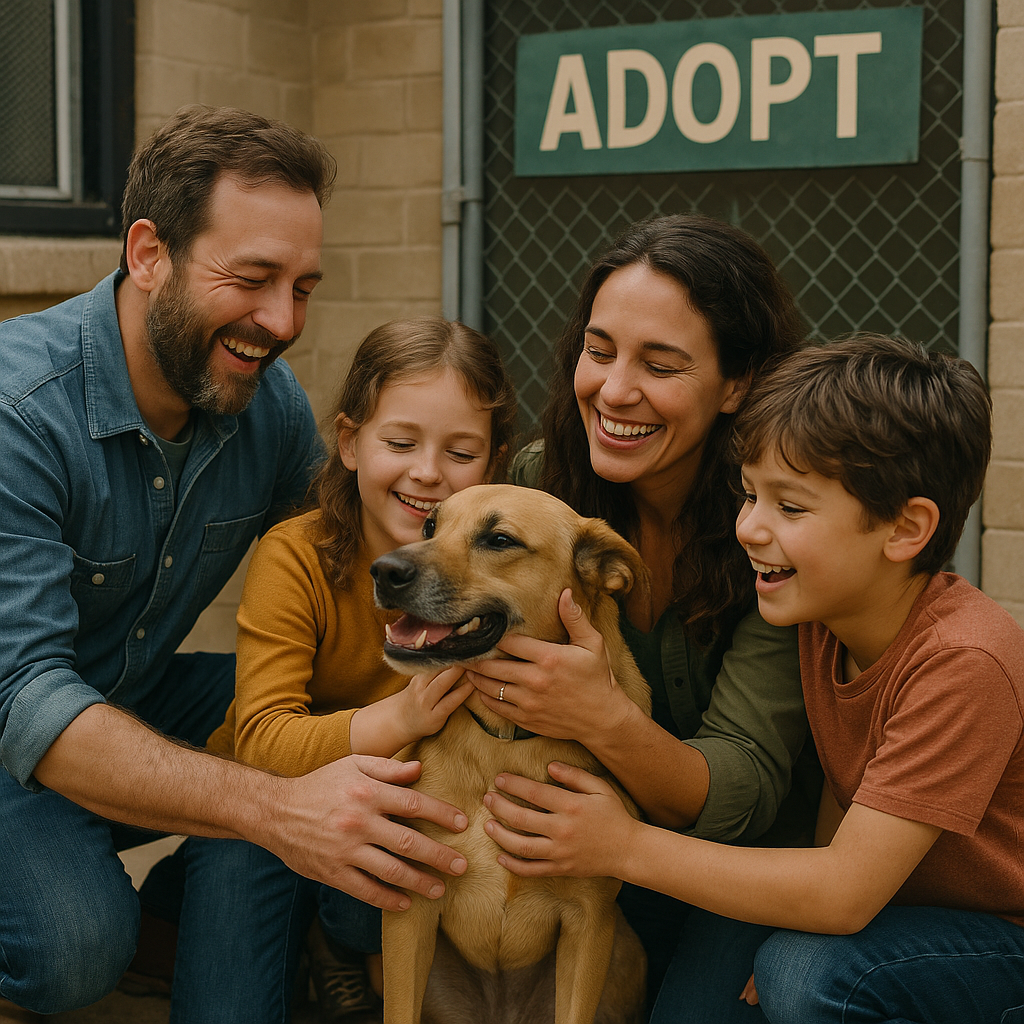
The Powerful Case for Adoption
The "adopt, don't shop" movement is driven by a stark reality: millions of loving, healthy animals enter shelters every year, and hundreds of thousands are euthanized simply due to a lack of space and resources.
- You Save More Than One Life: When you adopt, you're not just saving the life of your new companion. You're also freeing up a spot in the shelter for another animal in need, effectively saving two lives.
- You Combat Unethical Breeding: The vast majority of puppies sold in pet stores and online come from "puppy mills"—large-scale commercial breeding facilities where animals are often kept in horrific conditions with minimal veterinary care or socialization. Choosing to adopt ensures you are not financially supporting this cruel industry.
- It's Cost-Effective: Adoption fees are typically much lower than the price of buying a pet. These fees usually cover initial veterinary care, including spaying/neutering, vaccinations, and microchipping, saving you significant upfront costs.
- You Know What You're Getting: Shelters often have a good sense of an adult animal's personality, temperament, and energy level, which can help you find the perfect match for your lifestyle.
The Role of Responsible Breeders
It's important to distinguish between unethical "backyard breeders" or puppy mills and truly responsible breeders. A responsible breeder is deeply committed to the health, well-being, and betterment of a specific breed. They perform extensive health and genetic testing, provide excellent care and socialization, and will always take a dog back, for any reason, for its entire life. They do not sell to pet stores and typically have a waiting list for their puppies.
For individuals who have a specific need for a dog with a predictable size, temperament, or coat type (e.g., for allergy reasons or service work), a responsible breeder can be an ethical choice. However, this requires immense research to ensure the breeder meets the highest ethical standards.
The Verdict
While there is a place for ethical, responsible breeders, the most impactful choice for the vast majority of prospective pet owners is adoption. By opening your home to a shelter animal, you are making a powerful statement against pet overpopulation and giving a deserving animal a second chance at the loving life they've been waiting for.